Introduction to Warehouse Automation
Warehouse automation has transformed from a luxury to a necessity for freight forwarders and logistics companies. In 2026, the global warehouse automation market is valued at over $30 billion, with AI-powered solutions leading the growth.
This comprehensive guide covers everything you need to know about implementing warehouse automation, from understanding the technologies available to calculating ROI and choosing the right solution for your operation.
What is Warehouse Automation?
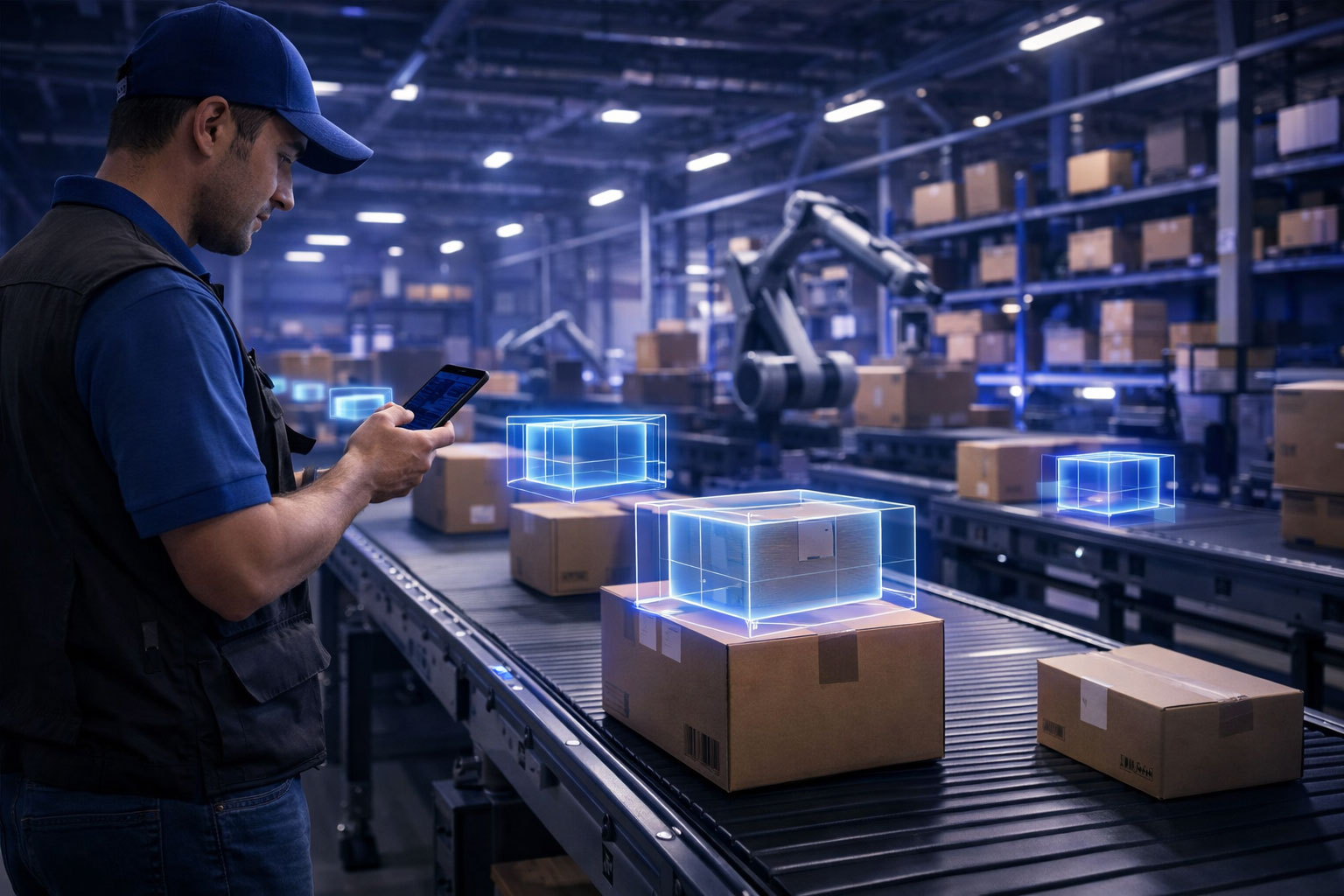
Warehouse automation refers to the use of technology to streamline and optimize warehouse operations, reducing manual labor and increasing efficiency. This includes:
- Package scanning and data extraction - Automatically reading carrier labels, tracking numbers, and dimensions
- Inventory management - Real-time tracking of stock levels and locations
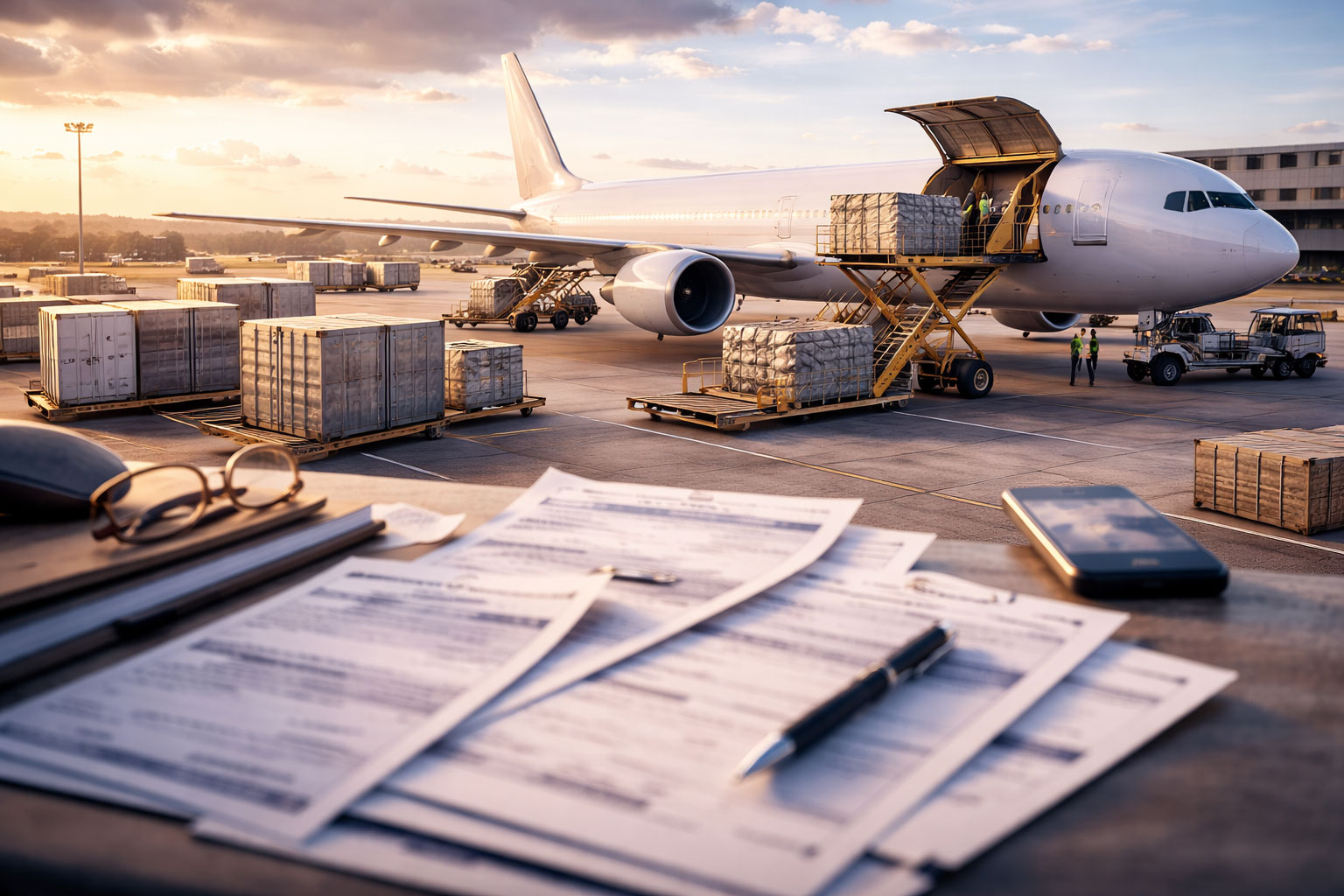
- Document generation - Automatic creation of HAWB, MAWB, and customs documents
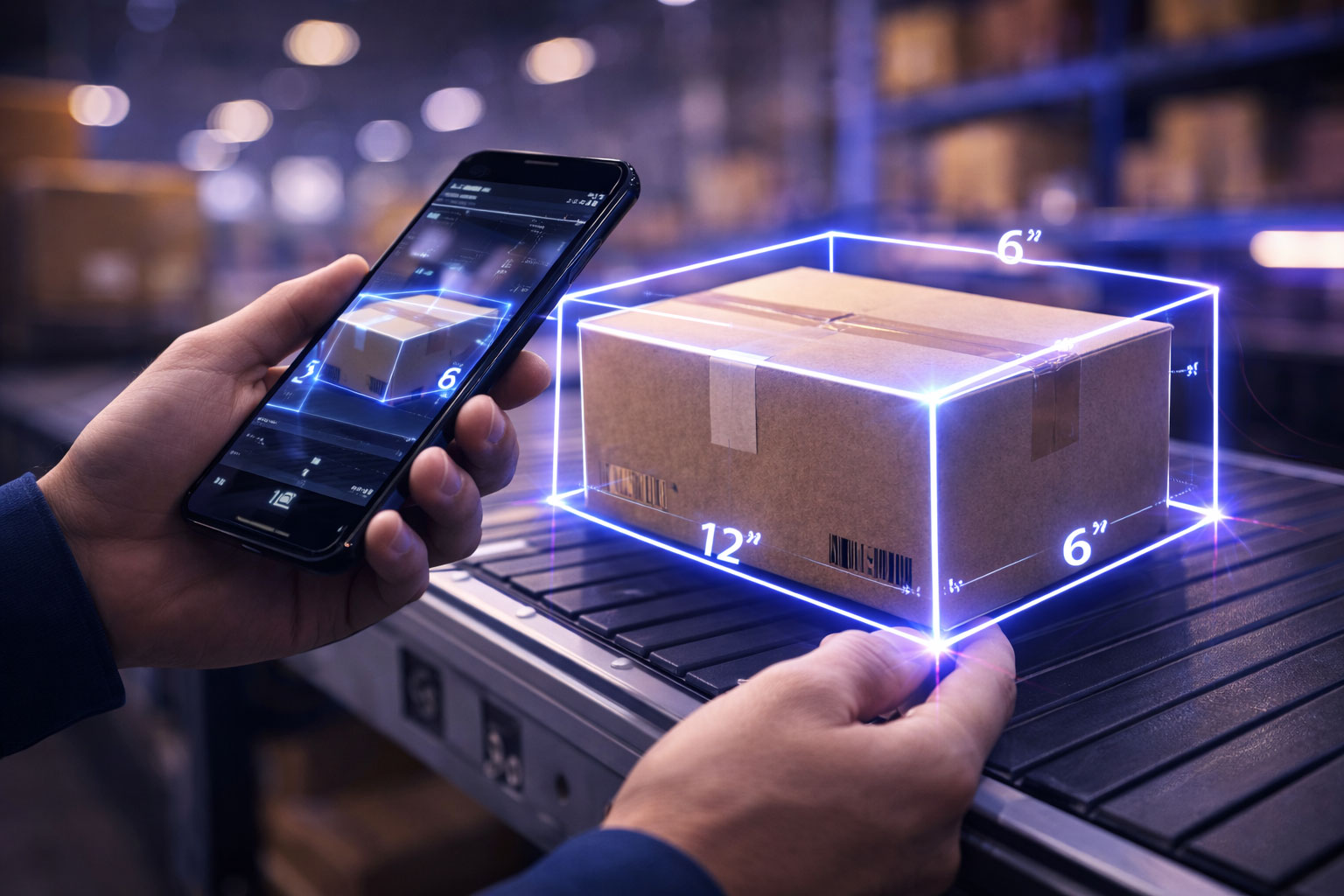
- Dimensional measurement - Calculating package dimensions without expensive cubiscan equipment
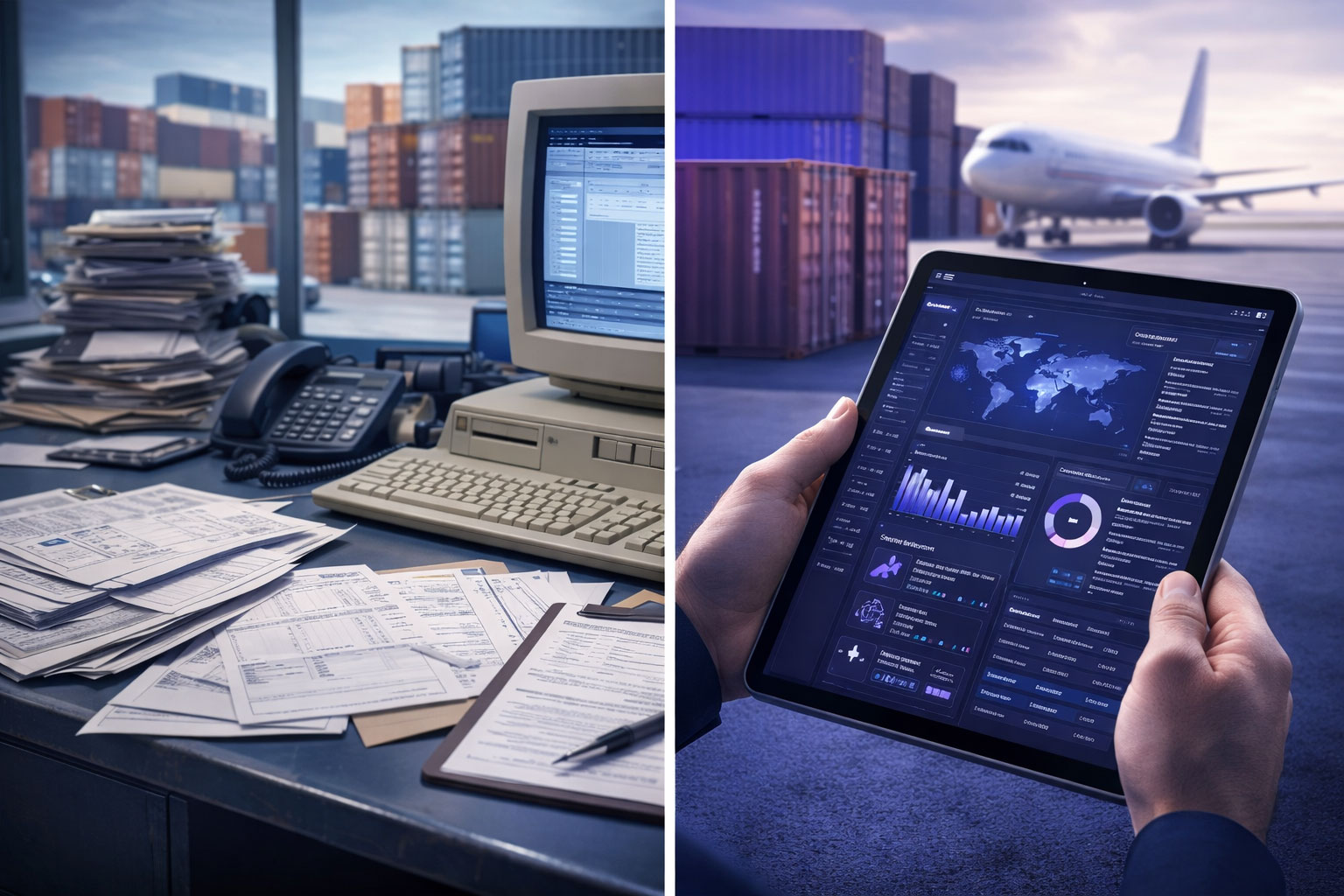
Traditional vs AI-Powered Warehouse Automation
Traditional Approach (Cubiscan-Based)
Traditional warehouse automation relies on expensive industrial equipment:
- Cubiscan machines: $35,000-$50,000 per unit
- Industrial barcode scanners: $2,000-$5,000 each
- Conveyor systems: $50,000+ for basic setups
- Training and maintenance: Ongoing costs of $5,000-$10,000 annually
AI-Powered Approach (Modern Solution)
AI-powered warehouse automation uses computer vision and machine learning:
- Equipment cost: Under $500 (smartphone + basic scale)
- Accuracy: 99.99% data extraction accuracy
- Processing time: 30 seconds per package (vs 4 minutes manual)
- Scalability: Add operators for ~$100 each
Key Technologies in Warehouse Automation
1. Computer Vision for Label Recognition
Modern AI systems use computer vision trained on millions of carrier labels to automatically extract:
- Tracking numbers from any carrier worldwide
- Sender and recipient information
- Package dimensions and weight
- Destination and routing details
2. AI-Powered Dimensional Calculation
AI dimensional calculation eliminates the need for expensive cubiscan equipment. Using advanced algorithms, AI systems can:
- Extract 3D geometry from 2D photos
- Calculate volumetric weight automatically
- Achieve 99.9% accuracy comparable to cubiscan machines
- Work with any smartphone camera
3. Product Recognition for Customs
AI product recognition helps with customs declarations by:
- Identifying products from photos
- Estimating values for customs purposes
- Categorizing items automatically
- Supporting multi-language descriptions
ROI Calculator: Traditional vs AI Automation
Here's a comparison for a typical warehouse processing 100 packages daily with 5 operators:
| Metric | Traditional Setup | AI Automation |
|---|---|---|
| Equipment Investment | $35,000+ | $500 |
| Processing Time per Package | 4 minutes | 30 seconds |
| Daily Processing Time (100 packages) | 6.7 hours | 0.8 hours |
| Error Rate | ~2% | 0.01% |
| Annual Labor Savings | Baseline | $315,000 |
| ROI Timeline | 2-3 years | ~6 weeks |
Implementation Steps
- Assess current operations: Document your current processing times, error rates, and costs
- Choose the right solution: Evaluate AI-powered alternatives to traditional cubiscan systems
- Plan integration: Ensure the solution integrates with your existing WMS, ERP, or TMS
- Train your team: Most AI solutions require minimal training (2-3 days)
- Monitor and optimize: Track KPIs and adjust workflows as needed
Cubiscan Alternatives: What to Look For
When evaluating cubiscan alternatives, consider these factors:
- Accuracy: Look for 99%+ accuracy in dimensional calculations
- Integration: REST API support for existing systems
- Carrier support: Universal carrier label recognition
- Cost structure: Low upfront investment with predictable ongoing costs
- Scalability: Ability to add operators without proportional equipment costs
Conclusion
Warehouse automation is no longer optional for competitive freight forwarders. AI-powered solutions like Cargo Fusion offer a path to automation that doesn't require massive capital investment in cubiscan equipment.
With 87.5% time savings, 99.99% accuracy, and ROI in weeks rather than years, AI-powered warehouse automation is the future of freight forwarding operations.
Ready to automate your warehouse? Book a demo to see how Cargo Fusion can transform your operations.
Sagan Labs AI Team
Sagan Labs AI Team
Expert in warehouse automation, freight forwarding operations, and AI logistics technology. Writing about how AI is changing the freight forwarding industry.