The E-Commerce Freight Explosion
Cross-border e-commerce is reshaping freight forwarding. In 2025, cross-border parcel volume grew 27%, and the trend is accelerating. For freight forwarders, this means more packages, smaller sizes, more carriers, and higher customer expectations.
How E-Commerce Changes Freight Forwarding
- Volume multiplication: One consolidated B2B shipment might now be 100 individual e-commerce packages
- Carrier diversity: Shein, Temu, AliExpress, and Shopee each use different shipping labels and carriers
- Speed expectations: E-commerce customers expect tracking updates within hours, not days
- Small package economics: Processing cost per package must decrease as package values decrease
- Customs complexity: Each individual package needs a customs declaration with product description and value
Why Traditional Methods Cannot Keep Up
Manual processing at 4 minutes per package works for 50 large B2B pallets. It does not work for 500 e-commerce parcels. At 4 minutes each, that is 33 hours of data entry — more than four full shifts. At 30 seconds with AI, it is 4 hours total.
AI Solutions for E-Commerce Freight
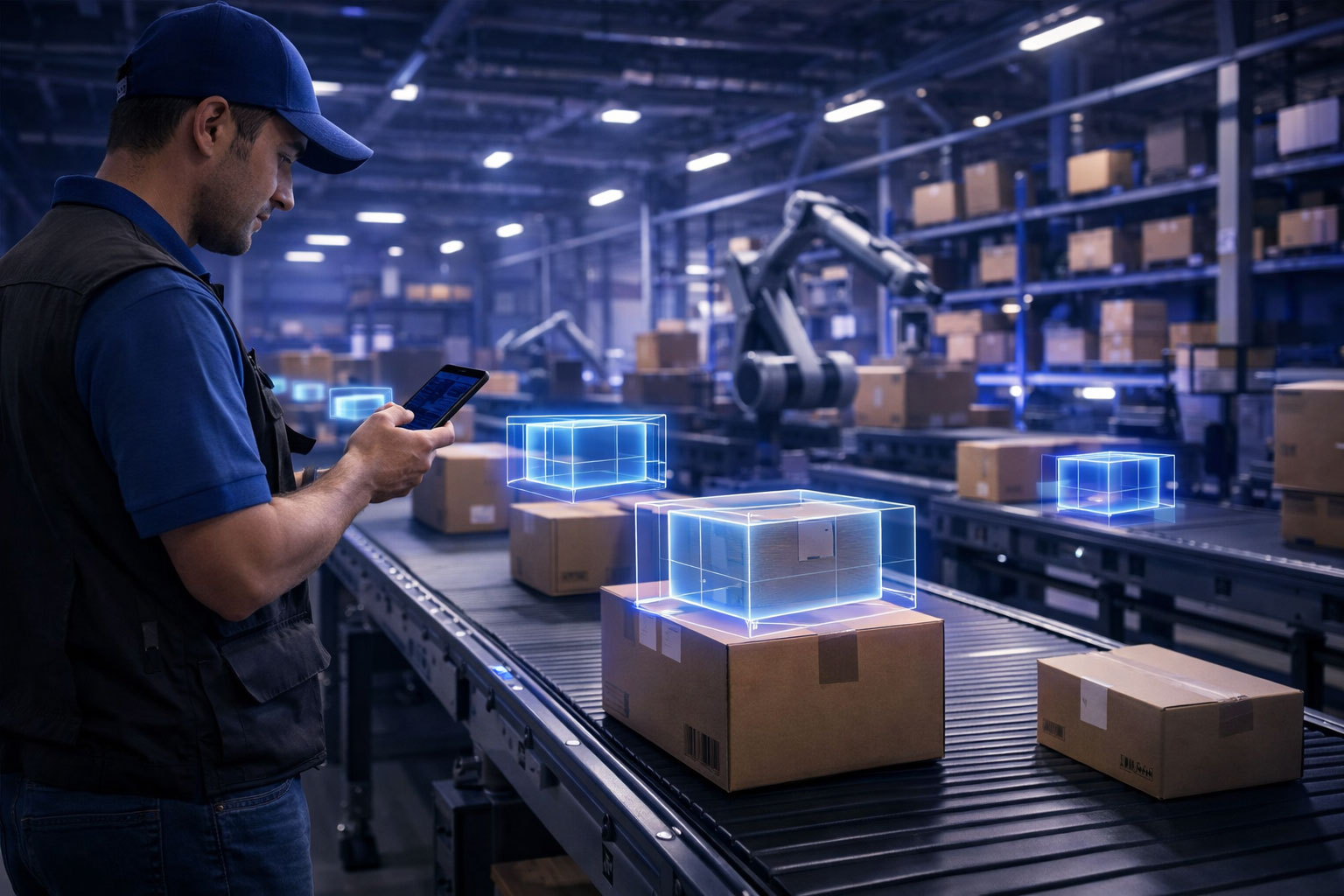
- Batch scanning: Process packages in rapid succession, 120+ per hour per operator
- Universal carrier recognition: Read labels from Shein, Temu, AliExpress, and any carrier without integrations
- Product recognition for customs: AI identifies products from photos for customs declarations
- Automated HAWB consolidation: Group small packages into consolidated shipments automatically
Competitive Advantage
Freight forwarders who invest in AI automation now will capture the e-commerce growth wave. Those who do not will find their margins squeezed by volume they cannot efficiently process.
Ready for the e-commerce wave? Book a demo to see how Cargo Fusion handles high-volume e-commerce freight.
Sagan Labs AI Team
Sagan Labs AI Team
Expert in warehouse automation, freight forwarding operations, and AI logistics technology. Writing about how AI is changing the freight forwarding industry.